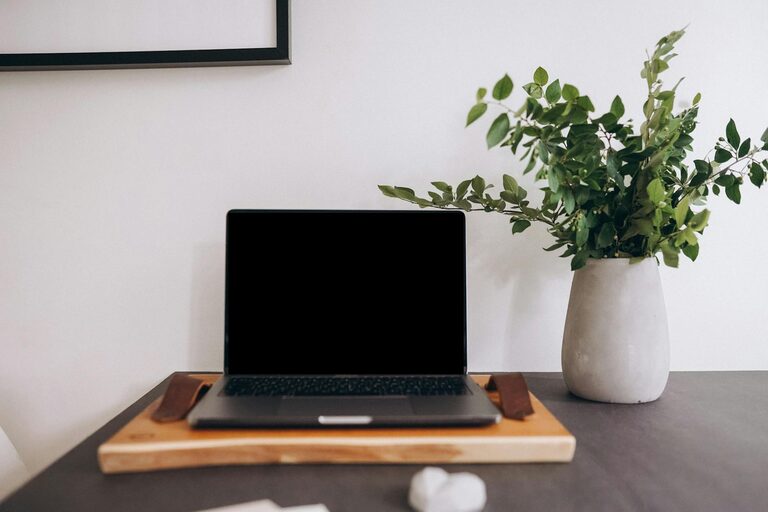










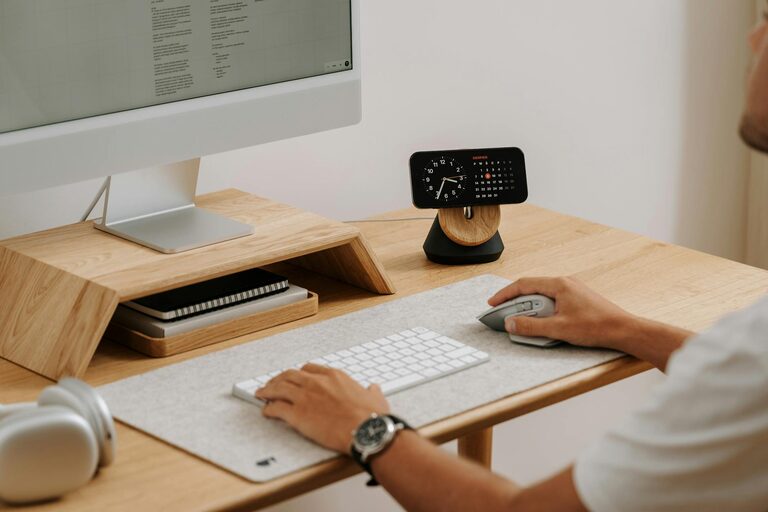
Creating a home workspace that is both relaxing and productive can be a game-changer for your work-from-home routine. When your environment supports focus and reduces stress, it’s easier to stay motivated and complete tasks efficiently. Whether you have a dedicated room or a small corner, the right setup can make all the difference. Here are some helpful tips to transform your home office into a space that works for you.
Choose the Right Location
Finding the best spot in your home is the first step. Ideally, select a space with good natural light and minimal distractions. If possible, use a separate room to help mentally separate work from personal life. If space is limited, a quiet corner of a living room or bedroom can work well, especially when combined with noise-cancelling headphones.
Invest in Ergonomic Furniture
Comfort is key to maintaining focus throughout the day. Choose an ergonomic chair with good back support and an adjustable desk or table at the right height. Consider using a laptop stand or external monitor to keep your screen at eye level, reducing neck strain. A supportive setup helps prevent discomfort and promotes better posture.
Organise with Purpose
Clutter can cause stress and reduce productivity. Keep your workspace tidy by using storage solutions such as drawers, shelves, or organisers for stationery and documents. Only keep essentials on your desk to maintain a clean workspace. A tidy environment promotes a clear mind and efficient workflow.
Use Soothing Colours and Decoration
Colours can influence mood and focus. Soft, neutral tones like pale blues, greens, or greys create a calming atmosphere, while brighter accents can energise. Add personal touches such as plants, artwork, or photos to make the space inviting. Plants, in particular, enhance air quality and have been shown to reduce stress.
Optimise Lighting
Good lighting reduces eye strain and keeps you alert. Position your desk near a window to make the most of natural daylight. For darker days or evening work, use layered lighting with a combination of overhead lights and a desk lamp that provides focused illumination. Choose bulbs with a colour temperature that feels comfortable to you, typically between 3000K (warm white) and 5000K (daylight).
Minimise Noise and Distractions
Noise can interrupt concentration, so try to reduce it where possible. Soft background music or white noise can help mask distracting sounds. Inform household members of your work hours to minimise interruptions, and consider using noise-cancelling headphones to create a personal bubble of focus.
Set Clear Boundaries
Working from home can blur the line between professional and personal time. Establish set working hours and routines to help maintain balance. Use your workspace only for work-related activities to reinforce mental boundaries. When the day ends, leave your workspace to signal the transition out of work mode.
Incorporate Breaks and Movement
Taking regular breaks is essential for both productivity and wellbeing. Use techniques like the Pomodoro method—working for 25 minutes, then taking a 5-minute break. Stretch, go for a walk, or do some light exercise during breaks to reduce fatigue and improve circulation.
Personalise Your Technology Setup
Ensure your computer, keyboard, mouse, and other tools fit your workflow efficiently. Use cable organisers to keep wires neat and consider investing in accessories like a quality headset or an external keyboard for comfort. Fast and reliable internet is also important to avoid frustrations during work.
Create a Relaxing Atmosphere
Beyond functionality, make your workspace soothing. Use aromatherapy with calming scents like lavender or eucalyptus if that appeals to you. Consider adding a small diffuser or scented candle in a safe spot. Soft background sounds such as nature tracks can also help you stay relaxed and focused.
Keep Hydrated and Nourished
Place a water bottle or glass within easy reach to remind yourself to stay hydrated. Having healthy snacks nearby, like nuts or fruit, can keep your energy levels up without the need for frequent kitchen trips.
Regularly Review and Adjust
Your needs and preferences might change, so review your workspace setup periodically. Tweak your environment to address any discomfort or productivity barriers you notice. Staying flexible ensures your space continues to support you in the best way possible.
—
By thoughtfully designing your home workspace with these practical tips, you can create an environment that supports both relaxation and productivity. A well-considered office area can improve focus, reduce stress, and help maintain a healthy work-life balance. Take your time to build a space that feels good to work in — your productivity and wellbeing will thank you.