










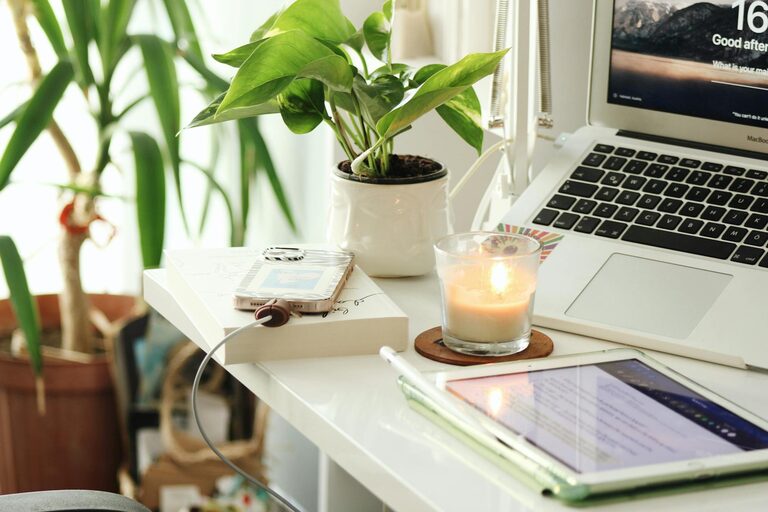
Creating a relaxing home workspace is key to maintaining productivity, especially when working remotely or balancing tasks at home. A calm and organised environment can reduce stress, improve concentration, and make work more enjoyable. Here’s a practical guide to help you design a workspace that supports your wellbeing and efficiency.
Why a Relaxing Workspace Matters
A comfortable and peaceful workspace isn’t just about aesthetics—it has a real impact on your ability to focus and complete tasks effectively. Clutter and distractions can lead to procrastination, while a soothing environment can help keep your mind clear and motivated.
Choosing the Right Spot
Before you start setting up, consider the location:
– Natural light: Position your desk near a window if possible. Daylight boosts mood and alertness.
– Reduced distractions: Opt for a quiet corner or room to minimise noise and interruptions.
– Comfort: Choose a space with enough room for your equipment and movement.
Ergonomic Furniture: Comfort Meets Function
Investing in the right furniture supports both physical health and productivity:
– Desk: Select a desk at a comfortable height, allowing your forearms to rest parallel to the floor.
– Chair: An adjustable chair with good lumbar support prevents back strain.
– Accessories: Consider a footrest or wrist rests to enhance comfort during long working hours.
Keep It Organised and Clutter-Free
A tidy workspace helps reduce mental clutter:
– Storage solutions: Use shelves, drawers, or storage boxes to keep important documents and supplies orderly.
– Desk essentials only: Keep only daily necessities on your desk to avoid distractions.
– Cable management: Use clips or sleeves to tidy up cables and chargers.
Soothing Colours and Personal Touches
The colours and decorations you choose can influence your mood:
– Calming colour palette: Soft blues, greens, or neutrals promote relaxation.
– Plants: Indoor plants improve air quality and add a touch of nature.
– Artwork and photos: Personal but non-distracting items can create a welcoming atmosphere.
Optimise Lighting for Comfort
Proper lighting reduces eye strain and helps maintain energy:
– Natural light: Maximise daylight during working hours.
– Task lighting: Use adjustable desk lamps for focused work.
– Ambient light: Soft, warm lighting can set a calming mood in the room.
Minimise Noise and Distractions
Sound can greatly affect concentration:
– Noise-cancelling headphones: Useful if background noise is unavoidable.
– Soundproofing: Add rugs, curtains, or acoustic panels to absorb sound.
– Set boundaries: Communicate your work hours to household members.
Incorporate Relaxation Elements
Small additions can make your space inviting and soothing:
– Aromatherapy: Use subtle scents like lavender or eucalyptus to create calm.
– Comfort items: A cosy blanket or cushion can add warmth.
– Break space: Have a nearby area for stretching or short breaks to refresh your mind.
Establish a Routine and Maintain Your Space
Finally, a relaxing workspace works best when paired with good habits:
– Daily tidy-up: Spend a few minutes organising your desk at the end of each day.
– Regular breaks: Follow the 20-20-20 rule—every 20 minutes, look 20 feet away for 20 seconds.
– Healthy habits: Stay hydrated and keep your workspace ventilated.
—
By thoughtfully creating a relaxing home workspace, you’ll pave the way for enhanced focus, creativity, and productivity. Remember that your environment should support your needs and feel inviting—adjust and personalise it as you go to find what works best for you.