









Creating a home workspace that is both relaxing and productive can significantly improve your work-from-home experience. Whether you’re freelancing, running a business, or simply completing remote tasks, having a space that balances focus and comfort helps you stay motivated and reduces stress.
In this post, we’ll explore practical tips to help you set up a home workspace that supports your productivity while remaining a calming environment.
Why a Good Home Workspace Matters
Many people underestimate the impact their workspace has on their work performance and mental well-being. A well-designed space can help:
– Enhance concentration
– Minimise distractions
– Encourage a healthy posture
– Create clear boundaries between work time and home life
With that in mind, let’s dive into actionable steps.
Choose the Right Location
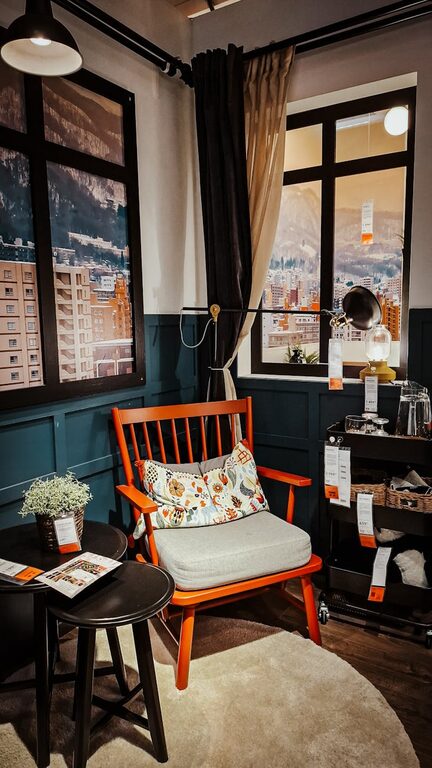
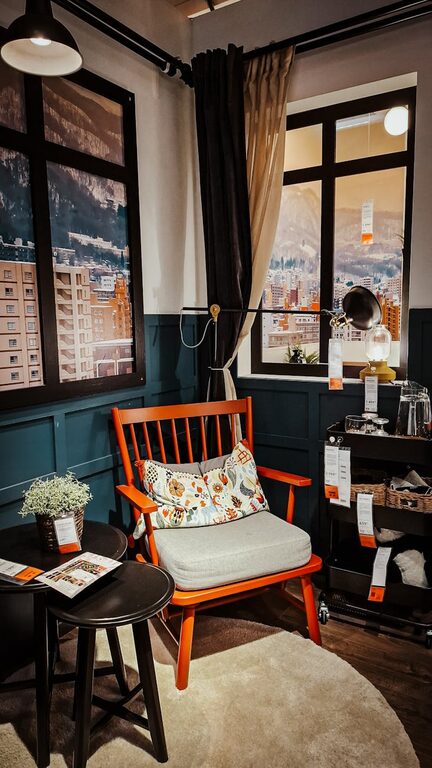
Prioritise Natural Light
Natural light positively affects mood and alertness. If possible, set up your desk near a window to make the most of daylight. Position your screen to avoid glare, which can cause eye strain.
Minimise Noise Distractions
Find a quiet corner or room where household noise is minimal. If that’s not possible, consider noise-cancelling headphones or soft background music to help maintain your focus.
Space and Privacy
Ensure your workspace is large enough for your equipment and personal comfort. If you share your home, consider screens or room dividers for added privacy.
Invest in Comfortable, Ergonomic Furniture
Desk and Chair
A sturdy desk at the right height and a supportive chair with adjustable features are essential. Ergonomic chairs help maintain good posture and prevent back pain for long workdays.
Organise Your Desk Space
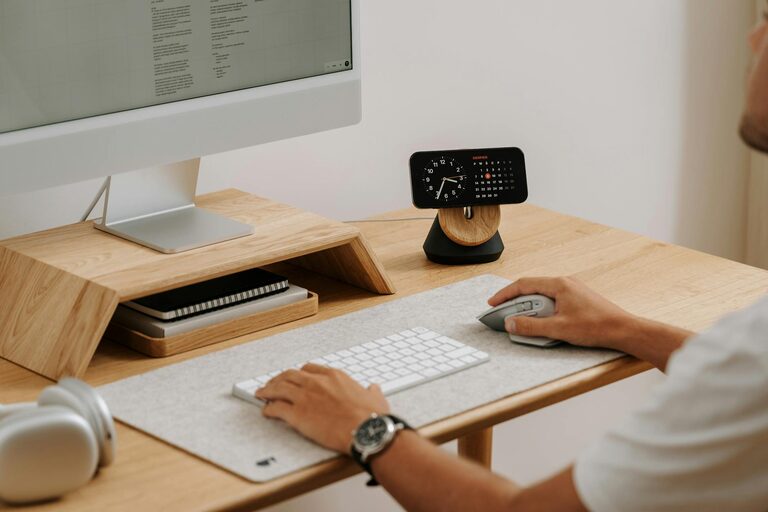
Keep frequently used items within easy reach. Use trays, organisers, or drawer units to reduce clutter, which can be distracting and stressful.
Create a Calming Atmosphere
Use Soothing Colours
Colours influence mood. Soft, neutral shades like pale blues, greens, and greys promote calm and focus. Avoid overly bright or dark colours that may cause eye fatigue.
Introduce Natural Elements
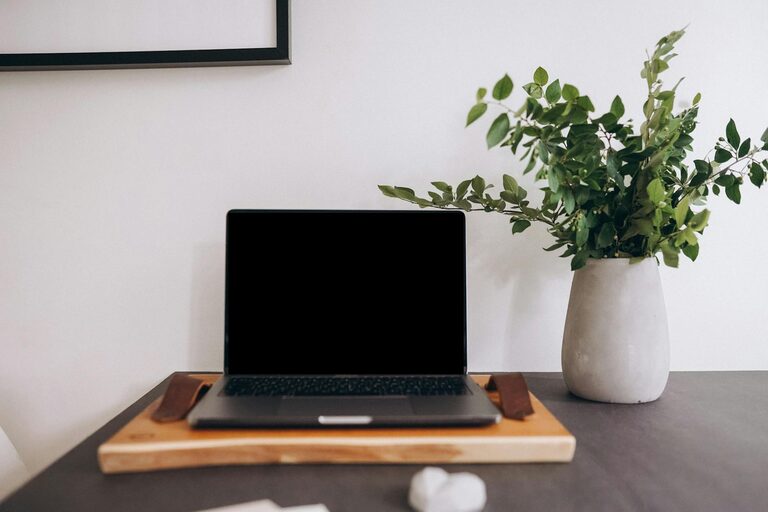
Houseplants are excellent for improving air quality and adding a touch of nature, which can reduce stress. Even a small pot of greenery on your desk can make a difference.
Control Lighting
Besides natural light, use adjustable lamps with warm bulbs. Proper lighting reduces eye strain and helps set a relaxing tone as daylight fades.
Optimise Technology Setup
Reliable Equipment
Invest in quality technology such as a fast internet connection, a good monitor, and peripherals like an ergonomic keyboard and mouse to streamline your workflow.
Cable Management
Use cable ties or organisers to keep wires neatly tucked away. A tidy setup can reduce visual clutter and prevent distractions.
Develop a Daily Routine
Set Clear Work Hours
Define when your workday starts and ends to maintain balance and prevent burnout. Use alarms or calendar notifications to stick to your schedule.
Take Regular Breaks
Incorporate short breaks to stretch, walk, or rest your eyes. This helps recharge your energy and maintain productivity.
Personalise Your Space
Add personal touches like photos, artwork, or motivational quotes to make your workspace inviting. However, keep decorations minimal to avoid distractions.
Keep it Clean and Tidy
Regularly clean your workspace to maintain a fresh and organised environment. A clutter-free area improves focus and enhances comfort.
Use Organisational Tools
Physical Storage
Use shelves, filing cabinets, and desk organisers to keep documents and supplies orderly.
Digital Tools
Apps for to-do lists, calendar management, and note-taking help keep tasks on track and reduce mental clutter.
Encourage Movement and Comfort
Consider options like a standing desk or a balance ball chair to vary your posture during the day. Moving regularly prevents stiffness and boosts circulation.
—
By thoughtfully creating a workspace that blends productivity with relaxation, you can improve not only the quality of your work but also your overall well-being. Remember to adjust your setup as your needs evolve to maintain a comfortable and efficient environment.
Take the time to plan your space — your future self will thank you!